Your Health. Your Recovery. Your Lifecare.

Posture and Pain: How Physiotherapy Can Help

Do you feel stiff after working at a desk, driving, or standing for long periods? Physiotherapy can help you explore more comfortable positions, improve strength and mobility, and develop movement habits that support your daily activities.

At **LifeCare Physiotherapy and Wellness**, we take an individualized approach to posture and pain, considering your symptoms, work demands, activity levels, and goals.

Does poor posture cause pain?

Posture can influence how comfortable you feel during an activity, but pain is more complex than how you sit or stand. Research has not established that one particular spinal posture consistently causes low back pain. Differences in posture also do not automatically mean that something is damaged or needs correcting.

Rather than trying to hold a “perfect” position all day, it can be helpful to find comfortable options and change positions regularly.

Can physiotherapy help prevent pain?

Exercise and education can reduce the risk of episodes of low back pain, according to systematic reviews. However, this does not prove that correcting posture alone prevents pain, and no treatment can guarantee that pain will never occur.

Physiotherapy focuses on building your ability to manage the demands of everyday life through appropriate exercise, activity guidance, and practical adjustments.

What does treatment involve?

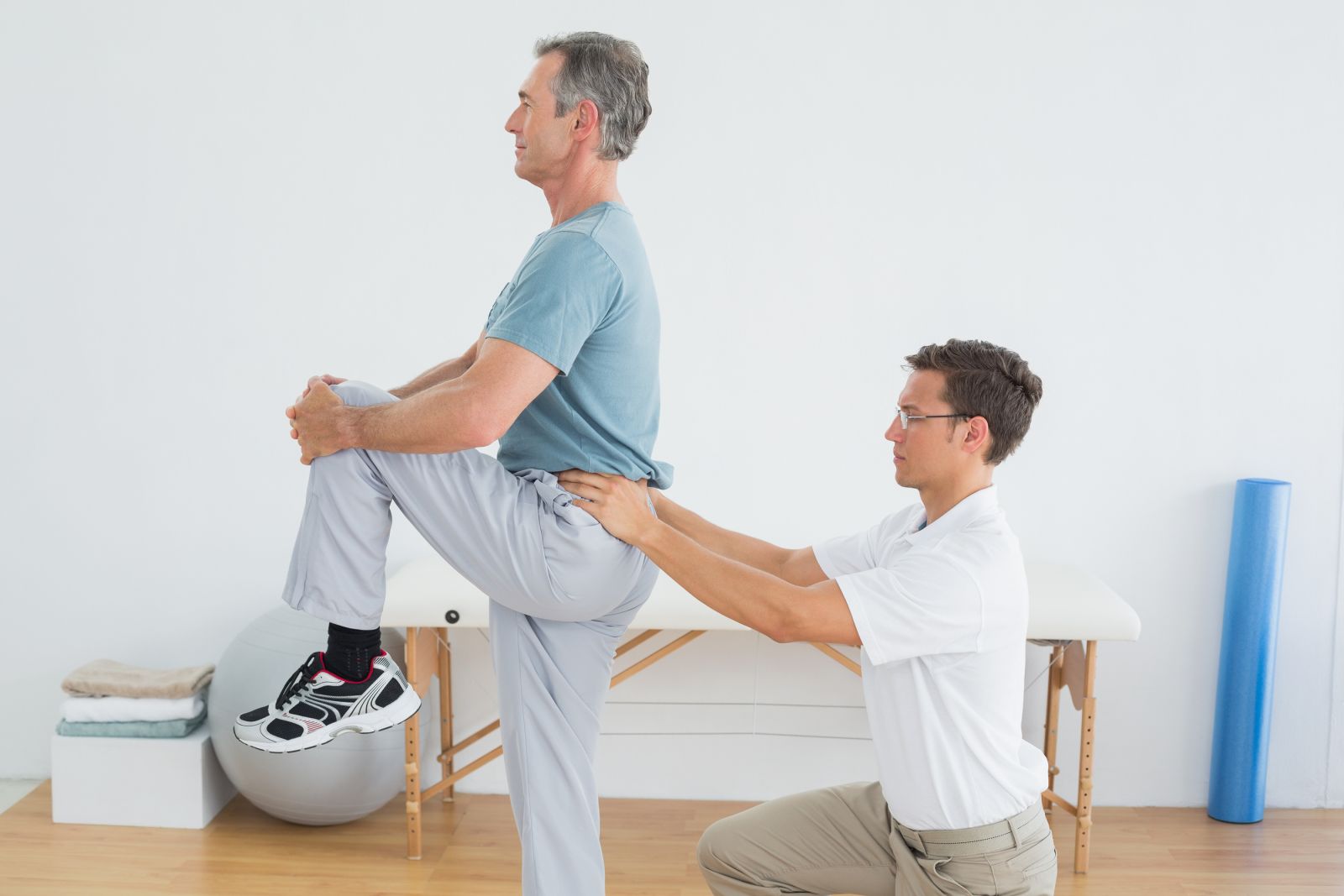
Your physiotherapist will assess your movement, strength, mobility, symptoms, and daily routines. Depending on your needs, your treatment plan may include:

– **Strength and endurance exercises** to support work, recreation, and daily activities.
– **Mobility exercises** where restricted movement affects comfort or function.
– **Postural guidance** to explore positions that feel better during specific tasks.
– **Workstation adjustments** to make your desk, screen, and seating more comfortable.
– **Movement breaks and activity planning** to vary prolonged sitting or standing.
– **Manual therapy or soft-tissue massage**, when appropriate, to help manage symptoms alongside active rehabilitation.

The goal is to help you move with greater comfort and confidence.

Practical habits to try:

**Vary your position.** Alternate between comfortable sitting, standing, and walking when your routine allows.

**Keep frequently used items within easy reach.** Adjust your workspace to reduce unnecessary reaching or awkward positioning.

**Build activity gradually.** Increase exercise and physical demands at a pace that suits your current abilities.

**Notice what helps.** If a position brings on discomfort, try a different position or a short movement break rather than forcing yourself to stay still.

When should you book an assessment?

Consider an assessment if recurring discomfort, stiffness, or difficulty tolerating work and everyday activities is affecting your life. Your physiotherapist can help identify contributing factors and develop a plan suited to you.


Dry Needling for Trigger Points and Referred Pain

Not all pain that spreads into an arm or leg is nerve pain!

Muscles and other tissues can also refer pain away from its source. Tender muscle areas, often called trigger points, may reproduce familiar pain elsewhere in the body. A physiotherapy assessment helps distinguish muscle-related referred pain from nerve involvement and other causes.

How does dry needling work?

Dry needling uses thin, sterile needles to target selected muscles without injecting medication and may or may not cause Local Twitch response. It may influence local tissue responses and the nervous system’s processing of pain.

What is a local twitch response (LTR)?

A **local twitch response** is a brief, involuntary contraction of muscle fibres that can occur during needling. You may feel a quick muscle jump, a short cramp, or a deep ache. This is a reflex response rather than a voluntary movement.

What does treatment feel like?

You may feel a small prick when the needle enters, followed by pressure, aching, or a brief twitch. Sometimes treatment reproduces your familiar referred pain. Tell your physiotherapist about sharp, burning, or electric sensations so they can adjust or stop treatment. You can withdraw consent at any time.

What should I expect afterward?

Temporary muscle soreness, minor bruising, or a small amount of bleeding can occur. Soreness commonly settles within a day or two, although responses vary. Your physiotherapist will provide advice about gentle movement, exercise, and returning to activity.

Contact your clinician if pain is worsening or you develop redness, swelling, or fever. **Seek urgent medical care for chest pain or shortness of breath after needling**, particularly around the neck, shoulder, or chest, because a punctured lung is a rare but serious complication.

At LifeCare Physiotherapy, dry needling may be offered alongside exercises, manual therapy, and education following an assessment and with your consent. The goal is to help you move comfortably and progress toward your rehabilitation goals.

Physiotherapy for Vertigo: Restoring Balance and Confidence

Does the room seem to spin when you roll over in bed, look up, or bend down? Vertigo can make everyday activities uncomfortable and affect your confidence when moving. **Vestibular physiotherapy can help with certain causes of vertigo and imbalance**, but an assessment is essential to identify the right treatment.

At LifeCare Physiotherapy, we offer vestibular assessments and individualized rehabilitation to help patients manage dizziness and improve balance.

What is vertigo?

Vertigo is the sensation that you or your surroundings are moving or spinning when there is no actual movement. It is a symptom rather than a diagnosis. Dizziness can also feel like light-headedness or unsteadiness, and these sensations may have different causes.

What is BPPV?

**Benign paroxysmal positional vertigo (BPPV)** is a common inner-ear condition in which tiny calcium carbonate particles move into a semicircular canal where they do not belong. Certain head movements then trigger misleading signals about motion, causing brief episodes of spinning.

BPPV commonly causes symptoms when rolling in bed, lying down, looking upward, or bending over. However, these symptoms alone do not confirm the diagnosis. Specific positional tests help identify the affected ear and canal.

How can physiotherapy help?

Treatment depends on the cause of your symptoms.

**Repositioning manoeuvres for BPPV:** A trained clinician guides your head and body through a sequence of positions to move the displaced particles out of the affected canal. The Epley’s manoeuvre is commonly used for posterior-canal BPPV; other canals require different techniques.

**Vestibular rehabilitation for reduced inner-ear function:** When the inner ear’s balance system is not working adequately, rehabilitation may include gaze-stabilization exercises, balance training, walking exercises, and gradual exposure to movements that provoke symptoms. Strong evidence supports vestibular rehabilitation for diagnosed peripheral vestibular hypo-function. These exercises help improve visual stability, balance, and everyday function.

What happens during an assessment?

Your physiotherapist will ask when your symptoms started, how long episodes last, and which movements trigger them. Depending on your symptoms and safety considerations, assessment may include:

– Positional testing for BPPV
– Eye movement and gaze-stability testing
– Balance and walking assessments
– Review of how dizziness affects daily activities

Your physiotherapist will explain the findings and recommend treatment or further medical assessment when appropriate. Not every cause of dizziness responds to repositioning manoeuvres or vestibular exercises.

How long does recovery take?

Recovery varies according to the diagnosis, symptom severity, and other health factors. BPPV may improve after repositioning, but some patients need repeat treatment or reassessment. Other vestibular conditions may require a progressive exercise program over several weeks. Persistent or changing symptoms should be reviewed rather than assumed to be the same condition.

When should you seek urgent medical care?

Call 911 if sudden vertigo occurs with double vision or vision loss, difficulty speaking, or new weakness or numbness in an arm or leg. These symptoms can indicate a medical emergency. Sudden hearing loss with vertigo also requires urgent medical assessment.

Get help for vertigo and balance concerns

If dizziness or spinning is affecting your daily life, an assessment can help you understand your symptoms and explore appropriate treatment.

Physiotherapy- Frequently Asked Questions

What is physiotherapy?

Physiotherapy helps you manage pain, recover from injuries, and improve movement, strength, and balance. Treatment may include manual therapy, soft-tissue massage, therapeutic exercises, dry needling, acupuncture, electrotherapy, activity modification and education, depending on your needs and with your consent. At LifeCare Physiotherapy and Wellness, your physiotherapist develops a personalized treatment plan to support your recovery and everyday activities.

What conditions can physiotherapy help with?
At LifeCare Physiotherapy, we help patients with back and neck pain, joint pain, sports injuries, and recovery after surgery. We also offer pelvic floor physiotherapy, vestibular rehabilitation for dizziness and balance concerns, concussion rehabilitation, and care following workplace injuries or motor vehicle accidents.

Do I need a doctor’s referral?
You can generally book a private physiotherapy appointment in Ontario without a doctor’s referral.

What happens during my first appointment?
Your physiotherapist will discuss your symptoms, medical history, and goals, then assess relevant movement, strength, and function. They will explain their findings and discuss treatment options with you. Treatment or home exercises may begin at this appointment when appropriate.

What should I bring?
Please bring your insurance details, a list of medications, and any relevant referral letters, imaging reports, or surgical instructions. Wear comfortable clothing that allows access to the area being assessed.

Will physiotherapy hurt?
Some assessments or exercises may cause temporary discomfort. Tell your physiotherapist how you feel so they can adjust your treatment. Your comfort and consent matter throughout your care.

What treatments might be included?
Depending on your assessment, treatment may include exercises, hands-on therapy, education, and advice about daily activities. Acupuncture, dry needling, shockwave therapy, or other modalities may be considered when appropriate and with your consent.

How many appointments will I need?
The number of visits depends on your condition, goals, and progress. Your physiotherapist will discuss a recommended plan and reassess it as you improve.

Do I need to do exercises at home?
Home exercises are often an important part of rehabilitation. Your physiotherapist will explain what to do, how often to do it, and how to adjust exercises if they cause symptoms.

Is physiotherapy covered by insurance?
Many extended health insurance plans cover physiotherapy, but coverage limits and referral requirements vary. Check your plan for details about your available benefits.

Do you offer direct billing?
LifeCare offers direct billing to majority of insurance providers, subject to your plan’s eligibility and the insurer’s approval. Please contact us before your appointment to confirm. Any amount not covered remains your responsibility.

Do you treat workplace and motor vehicle accident injuries?
We provide rehabilitation for workplace injuries and motor vehicle accidents. Contact our team about the claim information and approvals needed before your appointment.

Do you offer in-home physiotherapy?
Yes, LifeCare offers in-home physiotherapy for some areas in Ottawa for patients who have difficulty travelling to a clinic. Contact us to discuss service availability in your area and fees.

How do I book an appointment?
Visit our website and click on Book Appointment button to book online or contact our team to book at 613-793-0257 for our Ottawa location and 613-256-0257 for our Almonte location. We can help you choose the right appointment for your concerns.

Treating Jaw pain with physiotherapy

If you have pain in your jaw with movements of jaw like eating, yawing or regardless of movements; you should consult a physiotherapist who specializes in treating Jaw or TMJ.

Your jaw is a Hinge joint that allows movements side to side, forward- backward and opening-closing. For normal function of jaw, one should have good mobility and good muscle flexibility. But sometimes stiffness, muscle tension, bad posture, degeneration of joint surfaces because of multiple causes can affect the function of jaw and cause jaw pain.

Read More

Physical Therapy Can Ease Lower Back Pain

Low Back Injuries are one of the most common injuries seen by Physiotherapists around the world. Physiotherapists help their patients by:

  • Completing an assessment to find the problem areas
  • Forming a treatment plan and discussing it with the patient to decide short and long term goals
  • Implementing the treatment plan which can include hands-on techniques like joint mobilization, soft tissue release; stretching techniques, therapeutic exercises, use of physiotherapy modalities, education
  • Teaching self-management strategies in chronic pain
  • Teaching correct Lifting techniques (which is one of the common causes of back injury)
  • Guiding patients in proper back support braces (if necessary)

Read More